
Introduction
Setting up a plate carrier for the first time can be confusing. There are shoulder straps to adjust, cummerbunds to fit, MOLLE pouches to attach, magazine pouches to position, and accessories to organize. Many beginners make the same mistake: they try to add too much gear before understanding how a plate carrier should fit and function.
A good plate carrier setup should be simple, balanced, comfortable, and practical. Whether you are building a loadout for airsoft, range training, outdoor gear organization, or fitness training, the goal is not to overload the carrier. The goal is to create a setup that supports your activity without limiting movement.
This beginner’s guide explains how to set up a plate carrier step by step, what accessories to start with, where to place your pouches, and how to avoid common setup mistakes.
What Is a Plate Carrier Setup?
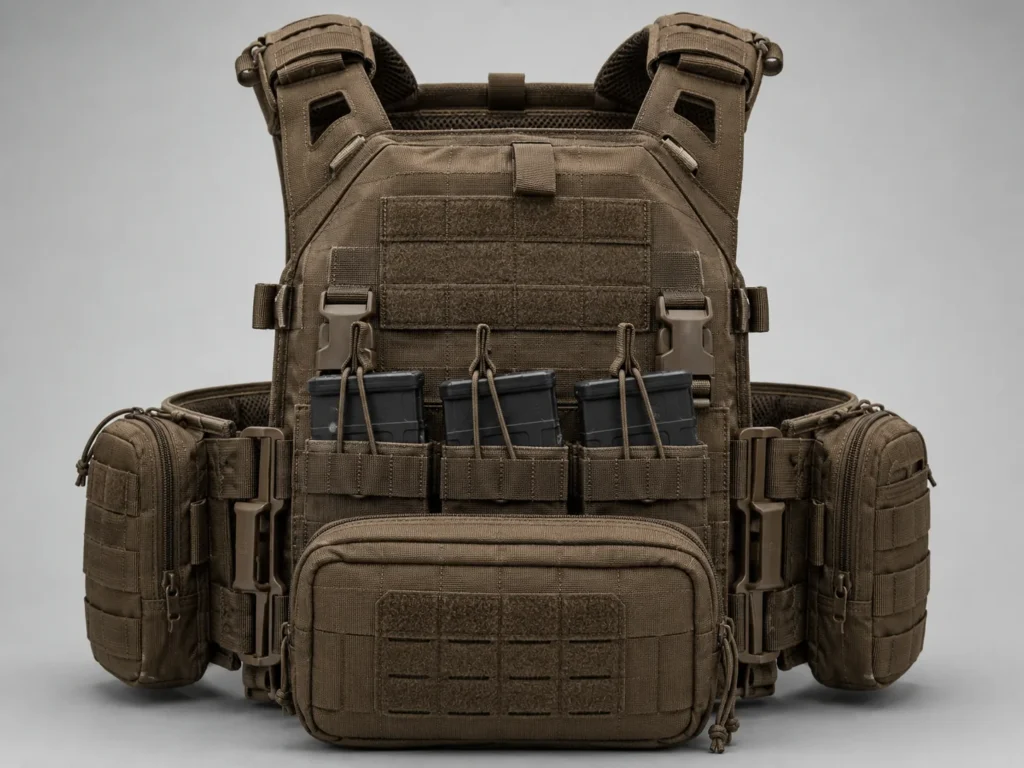
A plate carrier setup refers to the way you configure your carrier with plates or inserts, cummerbunds, pouches, placards, shoulder pads, hydration attachments, utility pouches, and other accessories.
The setup usually includes:
- The plate carrier itself
- Front and rear plate bags
- Shoulder straps
- Cummerbund or side straps
- MOLLE webbing or hook-and-loop panels
- Magazine pouches or front placard
- Utility or admin pouch
- Optional side pouches
- Optional rear pouch, backpack, or hydration carrier
For beginners, a good setup should focus on comfort, stability, and easy access to essential gear.
Step 1: Start with the Right Plate Carrier
Before adding pouches or accessories, make sure the plate carrier itself fits your needs. A beginner-friendly plate carrier should be adjustable, durable, and modular enough to support future upgrades.
Look for these features:
- Adjustable shoulder straps
- Secure cummerbund system
- MOLLE-compatible front and side panels
- Hook-and-loop area for patches or placards
- Reinforced stitching
- Breathable inner padding
- Stable fit during movement
If the base carrier does not fit well, no pouch layout will fix the problem. Fit comes first. Accessories come second.
Step 2: Adjust the Plate Carrier Fit
A proper plate carrier setup starts with correct fit. The carrier should sit high on the chest and upper back, not low over the stomach. The front and rear plate bags should be balanced, and the carrier should feel snug without restricting breathing.
To adjust your plate carrier:
- Put the carrier on without heavy accessories first.
- Adjust the shoulder straps so the front plate bag sits high on the chest.
- Make sure the rear plate bag sits at a similar height on your back.
- Tighten the cummerbund until the carrier feels stable.
- Move your arms, bend, crouch, and twist to test mobility.
- Make small adjustments until the carrier stays secure without discomfort.
A good fit should feel stable but not overly tight. If the carrier bounces, shifts, or sags, adjust the shoulder straps and cummerbund before adding more gear.
Step 3: Choose the Right Cummerbund
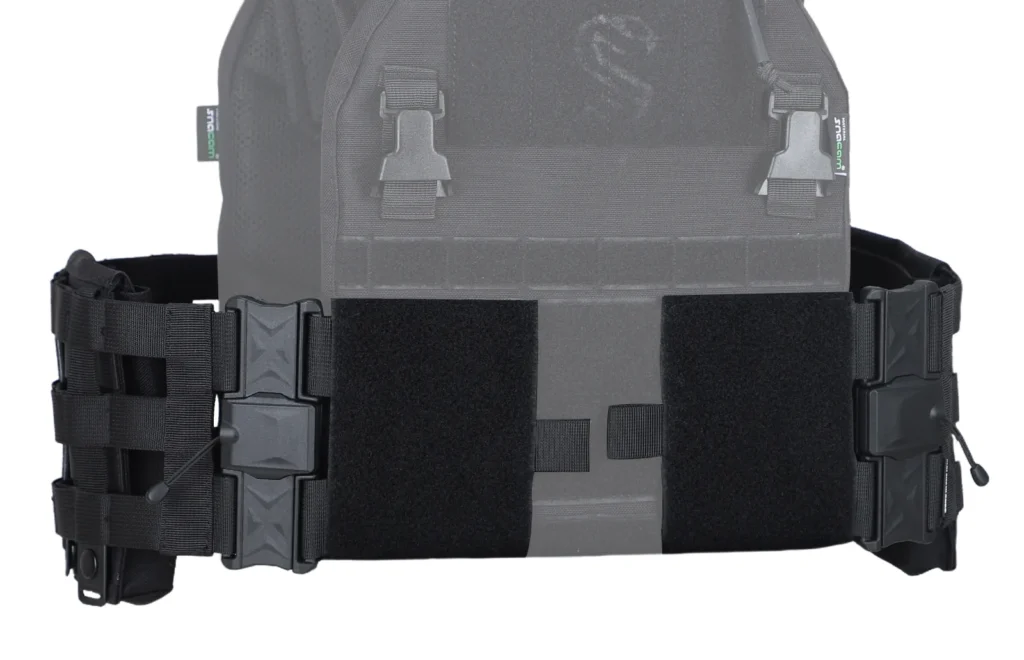
The cummerbund plays a major role in plate carrier comfort and stability. It wraps around your torso and helps keep the carrier close to your body during movement.
Common cummerbund options include:
Elastic Cummerbund
An elastic cummerbund is flexible and comfortable. It moves with your body and is a good choice for lightweight setups, airsoft, fitness training, and beginner loadouts.
Best for:
- Comfort
- Flexibility
- Lightweight setups
- Slim profiles
- Easy movement
MOLLE Cummerbund
A MOLLE cummerbund provides more attachment space for side pouches. It is useful if you need to carry extra gear on the sides of your carrier.
Best for:
- More pouch options
- Side-mounted accessories
- Modular gear setups
- Heavier loadouts
Quick-Release Cummerbund
A quick-release cummerbund allows easier on-and-off use. Some users prefer this for convenience, especially if they frequently remove their carrier during training.
Best for:
- Fast removal
- Convenience
- Training use
- Frequent gear changes
For beginners, an elastic cummerbund or a simple adjustable cummerbund is often the easiest starting point. If you plan to carry more pouches on the sides, a MOLLE cummerbund may be a better choice.
Step 4: Set Up the Front Panel
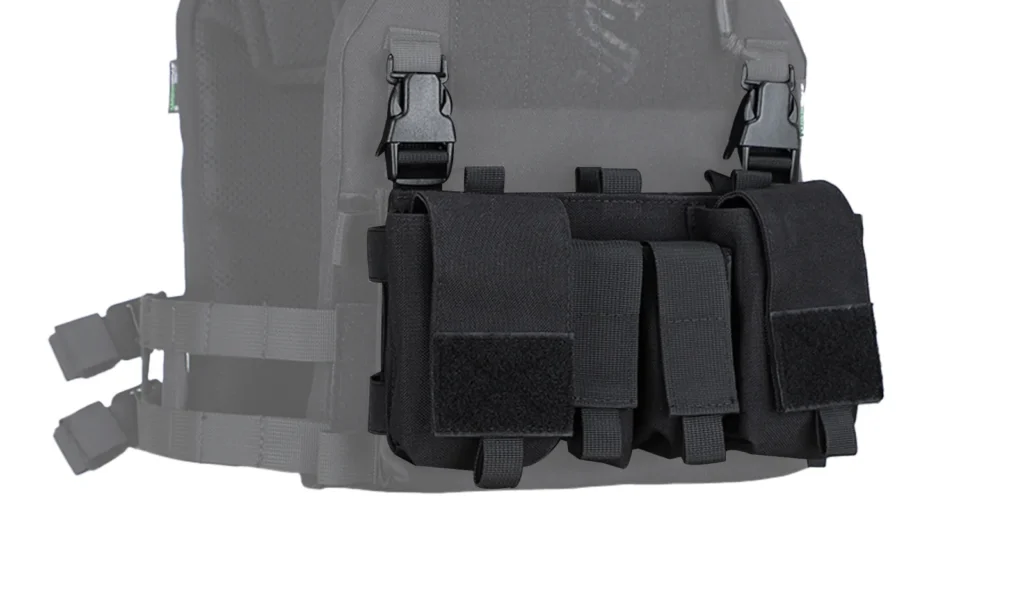
The front panel is usually the most important area of a plate carrier setup. This is where most users place magazine pouches, placards, or small utility items.
For beginners, keep the front simple. A clean front setup improves mobility and makes it easier to access gear.
A basic front setup may include:
- Triple magazine pouch
- Front placard
- Small admin pouch
- Hook-and-loop patch area
- Minimal utility pouch
Avoid adding bulky items to the front lower area. Large pouches can interfere with bending, sitting, or crouching. If you are new to plate carriers, start with a slim front profile and add more only when needed.
Step 5: Add Magazine Pouches
Magazine pouches are one of the most common accessories on a plate carrier. Even for airsoft or training-style use, they help create a functional and organized front setup.
Common magazine pouch options include:
- Triple magazine pouch
- Open-top elastic pouch
- Flap-covered pouch
- MOLLE magazine pouch
- Placard-style magazine pouch
For a beginner plate carrier setup, a triple front magazine pouch is usually enough. It keeps the setup simple and balanced while still offering useful storage.
When placing magazine pouches, consider:
- Can you reach them easily?
- Do they block your arm movement?
- Do they make the front too bulky?
- Do they stay secure during movement?
- Do they work with your intended activity?
For airsoft and range-style setups, front-mounted magazine pouches are usually the most practical starting point.
Step 6: Use MOLLE Webbing Correctly
MOLLE webbing allows you to attach pouches and accessories to your plate carrier. It gives your setup modularity, but it can also tempt beginners to add too much gear.
When using MOLLE, keep these rules in mind:
- Attach pouches tightly so they do not wobble.
- Use the correct MOLLE weaving method.
- Keep frequently used items within easy reach.
- Avoid stacking too many pouches on top of each other.
- Leave enough space for natural body movement.
- Balance weight between the front, sides, and back.
A neat MOLLE setup should feel secure and organized. If a pouch moves too much, it may not be attached correctly.
Step 7: Add a Small Utility or Admin Pouch
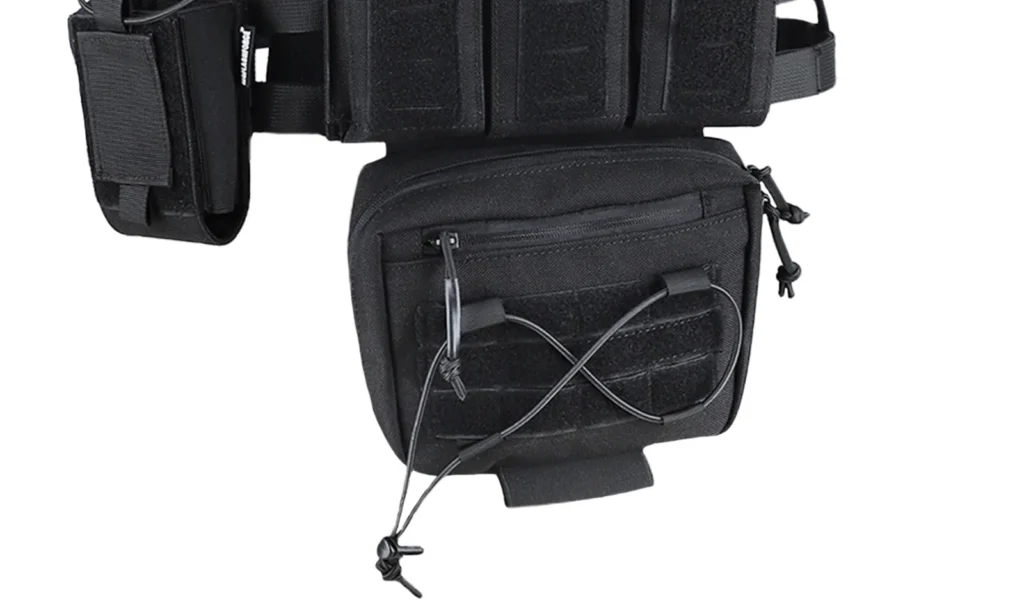
A small utility pouch or admin pouch can be useful for carrying small items such as tools, gloves, notepad, phone, batteries, lens cloth, or other compact gear.
Good placement options include:
- Upper front area
- Side cummerbund
- Lower front, if it does not block movement
- Rear panel, if the item is not needed often
For beginners, one small utility pouch is usually enough. Avoid adding multiple pouches before you know what you actually need.
Step 8: Consider Shoulder Pads
Shoulder pads can improve comfort, especially if your plate carrier is loaded with pouches or training weight. They help reduce pressure on the shoulders and can make longer wear sessions more comfortable.
Shoulder pads are useful if:
- The shoulder straps feel uncomfortable.
- You wear the carrier for long periods.
- You carry a heavier setup.
- The straps dig into your shoulders.
- You want better weight distribution.
For a lightweight airsoft or beginner setup, shoulder pads may not be required immediately, but they are a simple upgrade if comfort becomes an issue.
Step 9: Decide Whether You Need a Rear Setup
The rear of a plate carrier is often used for hydration carriers, small backpacks, rear pouches, or storage panels. However, beginners should be careful not to overload the back.
Rear attachments are useful for:
- Hydration bladder
- Lightweight backpack attachment
- Extra storage
- Outdoor gear
- Team-based airsoft or MilSim roles
If you need direct access to an item, do not place it on your back unless someone else can reach it for you. For solo use, keep important items on the front or sides.
For most beginners, the rear panel should stay clean or only include a lightweight hydration or storage attachment.
Beginner Plate Carrier Setup Example
A simple beginner setup may look like this:
- Black plate carrier
- Adjustable cummerbund
- Triple front magazine pouch
- Small utility pouch
- Shoulder pads
- Optional hydration pouch
- Minimal side gear
This setup is practical, balanced, and easy to manage. It gives you enough storage without making the plate carrier too heavy or bulky.
Plate Carrier Setup for Airsoft
For airsoft, comfort and mobility are usually more important than carrying a heavy load. A lightweight setup helps you move faster and stay comfortable during longer games.
Recommended airsoft setup:
- Lightweight plate carrier
- Elastic cummerbund
- Triple magazine pouch
- Small utility pouch
- Optional hydration pouch
- Minimal side pouches
Avoid overloading the front with unnecessary accessories. Airsoft setups should be functional but comfortable enough for running, crouching, and quick movement.
Plate Carrier Setup for Range Training
For range training, stability and access matter. Your gear should stay secure, and frequently used items should be easy to reach.
Recommended range-style setup:
- Durable plate carrier
- Adjustable MOLLE or elastic cummerbund
- Front magazine pouches
- Small admin pouch
- Shoulder pads
- Eye and ear protection storage pouch, if needed
- Minimal rear gear
The key is to keep the front organized and avoid bulky items that interfere with movement.
Plate Carrier Setup for Outdoor Use
Outdoor setups should focus on comfort, hydration, and useful storage. Since outdoor use may involve longer wear time, breathability and weight balance matter.
Recommended outdoor setup:
- Comfortable plate carrier
- Breathable shoulder pads
- Utility pouch
- Hydration pouch or small backpack
- Elastic or MOLLE cummerbund
- Minimal front pouches
- Small navigation or tool pouch, if needed
For outdoor use, avoid turning your plate carrier into a full backpack. Keep it streamlined and practical.
Plate Carrier Setup for Fitness Training
Some users wear plate carriers for weighted workouts. For this type of use, keep the setup as minimal as possible.
Recommended fitness setup:
- Minimalist plate carrier
- Secure shoulder straps
- Snug cummerbund
- Balanced front and rear weight
- No unnecessary pouches
- Comfortable padding
The carrier should not bounce during movement. If it shifts while running, jumping, or bending, adjust the shoulder straps and cummerbund.
Common Plate Carrier Setup Mistakes
Mistake 1: Adding Too Much Gear
Beginners often add too many pouches because the carrier has available MOLLE space. More gear does not always mean a better setup. Extra weight can reduce mobility and comfort.
Start simple. Add gear only when you know why you need it.
Mistake 2: Wearing the Carrier Too Low
A plate carrier should sit high on the chest and upper back. If it hangs too low, it can feel unstable and limit movement.
Mistake 3: Ignoring the Cummerbund
The cummerbund is essential for stability. If it is too loose, the carrier may shift. If it is too tight, it can restrict breathing.
Mistake 4: Poor Weight Balance
Too much weight on the front can pull the carrier forward. Too much weight on one side can make the setup feel uneven. Try to distribute weight evenly.
Mistake 5: Blocking Movement
Large front pouches, bulky side pouches, or poorly placed accessories can interfere with arm movement, bending, or crouching. Test your setup by moving naturally before using it for training.
Mistake 6: Not Testing the Setup
A setup that looks good on a table may not feel good when worn. Always test your plate carrier by walking, bending, crouching, reaching, and turning.
Beginner Plate Carrier Setup Checklist
Before you finish your setup, check the following:
- Does the carrier sit high on the chest?
- Are the shoulder straps adjusted evenly?
- Is the cummerbund snug but comfortable?
- Are the front pouches easy to reach?
- Is the MOLLE attachment secure?
- Is the setup balanced?
- Can you move your arms freely?
- Can you bend and crouch comfortably?
- Are you carrying only what you actually need?
- Is the setup suitable for your activity?
If the answer is yes, your plate carrier setup is likely ready to use.
Recommended Plate Carrier Accessories for Beginners
If you are just starting out, focus on essential accessories first.
1. Magazine Pouches
Magazine pouches are usually the first accessory most users add. A triple front pouch is a simple and practical option.
2. Elastic Cummerbund
An elastic cummerbund can improve comfort and help keep the carrier secure during movement.
3. Utility Pouch
A small utility pouch is useful for compact items such as gloves, tools, or personal accessories.
4. Shoulder Pads
Shoulder pads improve comfort, especially for longer use or heavier setups.
5. Hydration Pouch
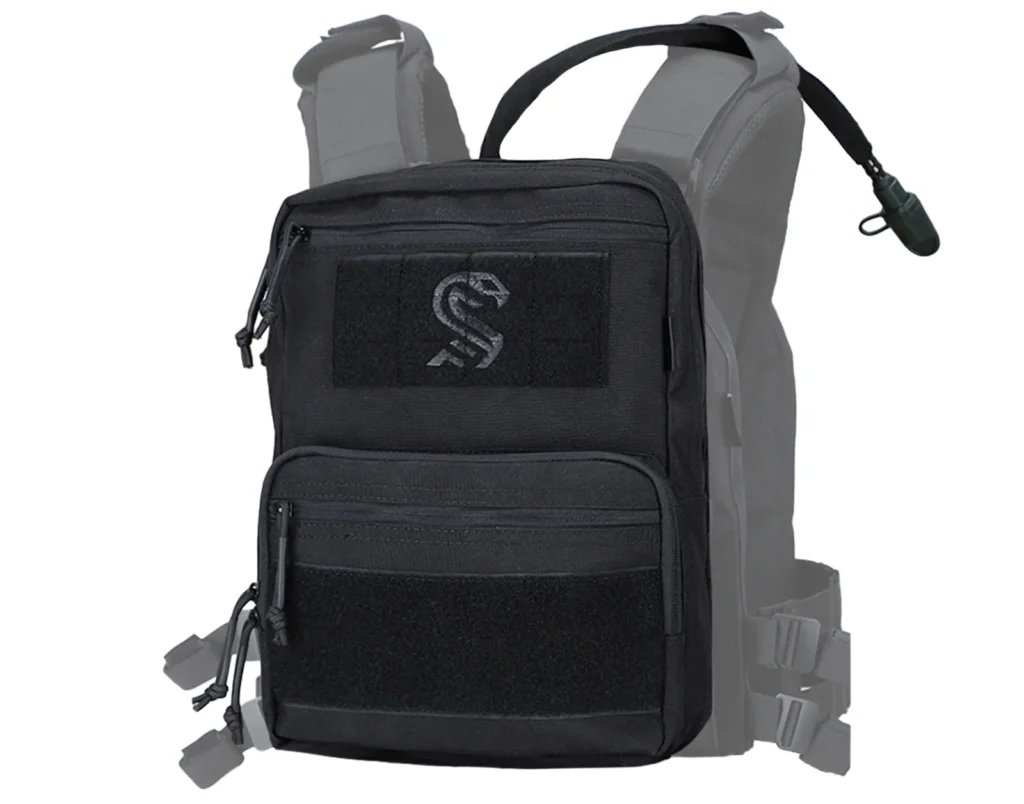
A hydration pouch or small rear attachment can be helpful for outdoor use or longer training sessions.
6. Admin Pouch
An admin pouch is useful for small flat items, notes, cards, or simple organization.
For beginners, these accessories are enough to build a clean and practical setup.
How to Upgrade Your Plate Carrier Over Time
You do not need to build a complete setup on day one. A better approach is to start simple and upgrade based on real use.
A good upgrade path looks like this:
- Start with the plate carrier and basic fit.
- Add a comfortable cummerbund.
- Add front magazine pouches.
- Add a small utility pouch.
- Add shoulder pads if needed.
- Add hydration or rear storage if your activity requires it.
- Replace or rearrange accessories based on comfort and use.
This approach helps you avoid wasting money on accessories you may not need.
Final Thoughts
A good plate carrier setup for beginners should be simple, balanced, and comfortable. Do not focus only on how the setup looks. Focus on how it fits, how it moves, and how useful each accessory actually is.
Start with a properly fitted plate carrier, choose a secure cummerbund, add essential pouches, and keep your loadout streamlined. Once you understand your needs, you can upgrade the setup with more specialized accessories.
Whether you are preparing for airsoft, range training, outdoor use, or fitness training, the best plate carrier setup is the one that supports your movement, keeps your gear organized, and stays comfortable over time.
FAQ
What should I put on my plate carrier first?
Start with the essentials: a secure cummerbund, front magazine pouches, and possibly a small utility pouch. Add more accessories only after you understand what you actually need.
How many magazine pouches should a beginner use?
Most beginners can start with a triple front magazine pouch. It provides useful storage without making the setup too bulky.
Should a plate carrier be tight?
A plate carrier should be snug, not overly tight. It should stay stable during movement while still allowing you to breathe and move comfortably.
Where should magazine pouches go on a plate carrier?
Magazine pouches are commonly placed on the front panel where they are easy to reach. Keep them low-profile and avoid blocking your movement.
Do I need a MOLLE cummerbund?
You only need a MOLLE cummerbund if you want to attach side pouches or accessories. If comfort and flexibility are more important, an elastic cummerbund may be a better beginner option.
Are shoulder pads necessary for a plate carrier?
Shoulder pads are not always necessary, but they can improve comfort if your setup feels heavy or the shoulder straps dig into your shoulders.
Should I put pouches on the back of my plate carrier?
Only add rear pouches if you need them. Remember that items on your back are harder to reach by yourself. For beginners, a clean rear panel or lightweight hydration pouch is usually enough.
What is the best plate carrier setup for airsoft?
A good airsoft setup usually includes a lightweight plate carrier, elastic cummerbund, front magazine pouches, and a small utility pouch. Keep it light and mobile.
How do I stop my plate carrier from bouncing?
Adjust the shoulder straps and tighten the cummerbund until the carrier sits securely. Make sure the weight is balanced and avoid overloading the front.
What is the biggest mistake beginners make with plate carrier setups?
The most common mistake is adding too much gear too quickly. A simple, comfortable setup is usually better than a heavy and overloaded one.